
Essential Strategies for Building Managers to Tackle Elevator Malfunctions
As a building manager, dealing with unexpected elevator failures can feel overwhelming. Whether you manage a high-rise or a small apartment complex, knowing how to handle these situations efficiently is crucial. One of the first steps in addressing an elevator breakdown is understanding the critical components involved. Familiarizing yourself with essential Elevator Parts can give you the knowledge needed to communicate effectively with technicians and ensure a swift resolution.
When an elevator suddenly goes out of service, the first thing you should do is assess the situation. Are there passengers trapped inside? If so, your priority must be their safety. Make sure to alert emergency services if necessary, but also communicate with the tenants regularly to keep them informed. Transparency reduces anxiety and helps maintain trust.
Next, gather as much information as you can about the malfunction. Is there a specific error code displayed? Can you hear any unusual sounds? These details will be invaluable to the repair technician when they arrive. Being informed about the functionality of Elevator Parts, like the control panel, cables, and safety brakes, allows you to ask informed questions and better understand the repair process.
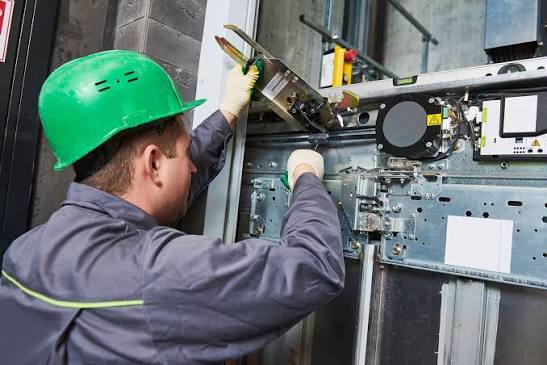
Once the elevator technician arrives, don’t hesitate to engage with them. Ask about the nature of the failure and what specific parts might need attention. If they mention any replacement parts, make a note of those details, as this information can help you prepare for future incidents. Additionally, inquire about maintenance schedules and any preventative measures you can implement to minimize the risk of future breakdowns.
Investing in a good maintenance plan can save you significant headaches down the road. Regular inspections and timely replacements of critical Elevator Parts can drastically reduce the likelihood of unexpected failures. Consider partnering with a reputable elevator service company that can provide ongoing maintenance. They should be able to offer tailored plans that fit the specific needs of your building, keeping your elevators running smoothly and safely.
Finally, remember that communication with your tenants is paramount. After a failure, send out an update detailing what happened, what actions were taken, and what they can expect moving forward. Keeping everyone informed not only fosters a sense of community but also reassures tenants that their comfort and safety remain your top priorities. By staying proactive and informed, you can navigate the challenges of elevator management with confidence and ease.