
Finding the Exact Source of a Leak Without Unnecessary Destruction
A pale stain near the hallway baseboard doesn’t look particularly dramatic. It might even be easy to blame on an old spill, until the paint begins to bubble and the floor feels damp. Suddenly, the worrying question isn’t just where the water came from, but whether finding it will mean tearing apart a perfectly good room. That is where a thoughtful investigation makes a difference. With help from a plumbing professional such as Wildpine Plumbing, homeowners can move beyond guesswork and begin tracing the problem with methods designed to limit unnecessary disruption. The first step is understanding what the clues are actually saying.
A good inspection often starts with conversation rather than complicated equipment. Has the water bill changed? Does the damp spot appear after someone showers, or does it stay wet all day? Does a nearby toilet run when nobody is using it? Answers like these can help separate a supply-line leak from a drainage issue, condensation, or water entering from outside. A plumber may also check accessible fittings, valves, and fixture connections before investigating concealed pipework. It sounds simple, but ruling out the obvious is valuable. There’s little point in opening a wall when a loose connection under a sink is responsible.
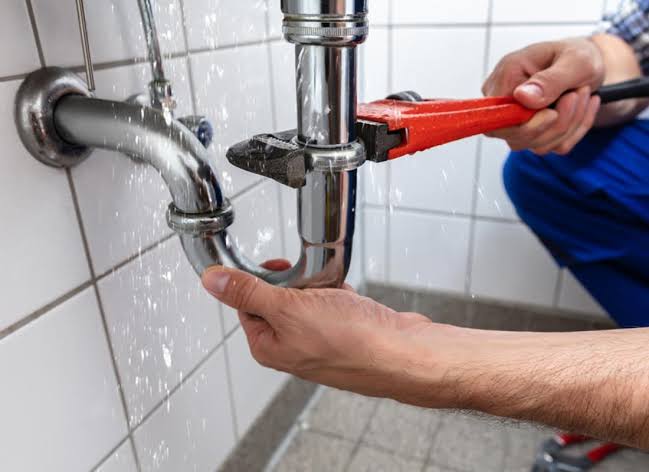
When the source remains hidden, specialized tools offer another way forward. Moisture meters can map where building materials are wet, although they don’t reveal exactly which pipe is leaking. Acoustic equipment may pick up the sound of escaping pressurized water, particularly when background noise is low. Thermal cameras can reveal unusual temperature patterns that suggest moisture, but they don’t see through walls or detect water directly. Pressure testing can help establish whether a particular plumbing section is losing pressure. Together, these findings can narrow the search, sometimes considerably, without turning the entire room into a construction zone.
There’s an important difference between finding an affected area and identifying the precise spot that needs repair. Water can travel along framing, follow pipes, and emerge surprisingly far from its origin. That explains why the biggest stain isn’t always the best place to start cutting. An experienced plumber weighs the evidence, explains what remains uncertain, and recommends the smallest reasonable access point if opening a surface becomes necessary. Depending on the damaged pipe’s position and condition, the solution might involve replacing a fitting, repairing a short section, or considering a longer-term pipe replacement. Careful diagnosis helps make that decision less of a gamble.
Once the leak is repaired, the work isn’t quite finished. Wet materials may need drying, and any damaged surfaces should be assessed before they’re covered again. It’s also worth asking what caused the failure, whether neighboring connections show similar wear, and what warning signs deserve attention in the future. A clear explanation is just as reassuring as a successful repair, especially when the original trouble was invisible. By approaching detection methodically, Wildpine Plumbing can help turn an unsettling household mystery into a manageable repair plan. The goal isn’t to promise that no wall will ever be opened. It’s to avoid opening more than the evidence truly calls for.